

Abu Dhabi unveils new solar energy self-supply policy
Department of Energy promotes renewable electricity for consumers
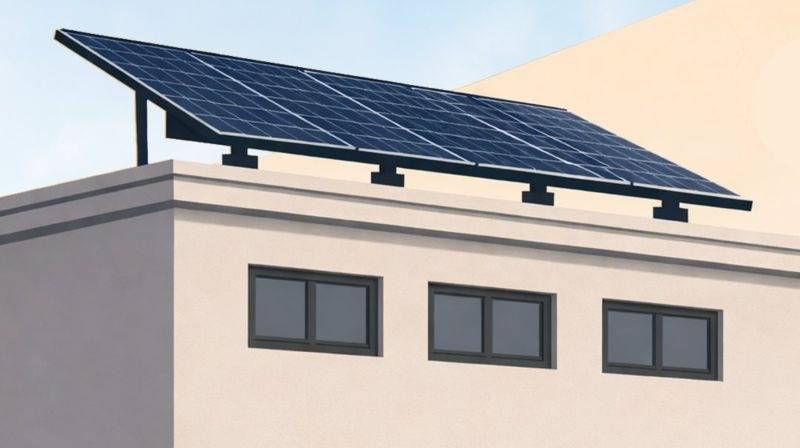
ABU DHABI – The Abu Dhabi Department of Energy (DoE) has launched the Solar (Photovoltaic) Energy Self-Supply Policy, allowing consumers to generate and manage their own electricity using clean, renewable sources.
The initiative aims to improve daytime electricity efficiency and promote smart energy-consumption practices across the emirate.
The policy is part of Abu Dhabi’s broader energy transformation agenda under the Abu Dhabi Energy and Water Efficiency Strategy 2030. It seeks to increase reliance on renewable energy, encourage responsible electricity use, and strengthen the resilience and efficiency of the energy sector.
Empowering consumers
Under the new framework, consumers can choose flexible solutions such as photovoltaic panels for self-supply, solar-powered water heaters, and battery storage systems to manage electricity consumption. Households, businesses, and institutions may continue drawing electricity from the grid if preferred, providing flexibility while supporting a gradual transition to renewable sources.
Today, we at the DoE launched the Self-Supply Policy for Photovoltaic (Solar) Energy. It reaffirms our leading role in developing policies and regulatory frameworks that support the transition to clean energy, enhance efficiency, and strengthen competitiveness in this vital… pic.twitter.com/8l4qFzvcqH
— abudhabidoe (@AbuDhabiDoE) February 5, 2026
The policy is initially focused on the agricultural sector, as well as owners of rest houses and ranches, enabling them to benefit directly from solar energy solutions. By adopting solar panels and water heaters, alongside battery storage systems, these consumers can reduce dependency on grid electricity, lower operational costs, and generate significant energy savings.
Guidance manual
In tandem with the policy rollout, the DoE is introducing a guidance manual on high-efficiency appliances. This resource helps users select, purchase, and operate energy-efficient devices based on performance data and life-cycle costs.
The manual covers key energy-intensive applications, including cooling, water heating, lighting, electrical equipment, motors, pumps, and irrigation systems. It promotes operational best practices, smart control solutions, and data-driven decisions that reduce energy and water consumption, minimise peak demand, and support long-term cost savings while lowering emissions.
Grid efficiency
The adoption of flexible solar solutions will also improve overall grid efficiency and security of supply. By integrating photovoltaic energy into daily consumption, the policy supports Abu Dhabi’s long-term renewable energy strategy and aligns with global best practices. This approach strengthens the emirate’s energy sector resilience while providing tangible value to consumers.
Abdulaziz Mohammed Al Obaidli, Director General of Regulatory Affairs at the Abu Dhabi Department of Energy, said the policy “represents one of the most significant policies governing the sector. It reinforces our strategic energy mix, promotes renewable energy, and allows the local community to actively support national sustainability targets.”
He added that the DoE focuses on designing scalable policies that deliver direct benefits, enhance infrastructure resilience, and raise public awareness about environmentally sound, socially responsible, and economically viable energy consumption.
The policy forms part of a broader set of initiatives, including the Energy Efficiency Appliances Policy, aimed at supporting sector sustainability. Additional policies for different consumer segments will be introduced throughout 2026, aligned with the Abu Dhabi Climate Change Strategy, which targets increased clean energy reliance, emissions reduction, and enhanced sector efficiency.